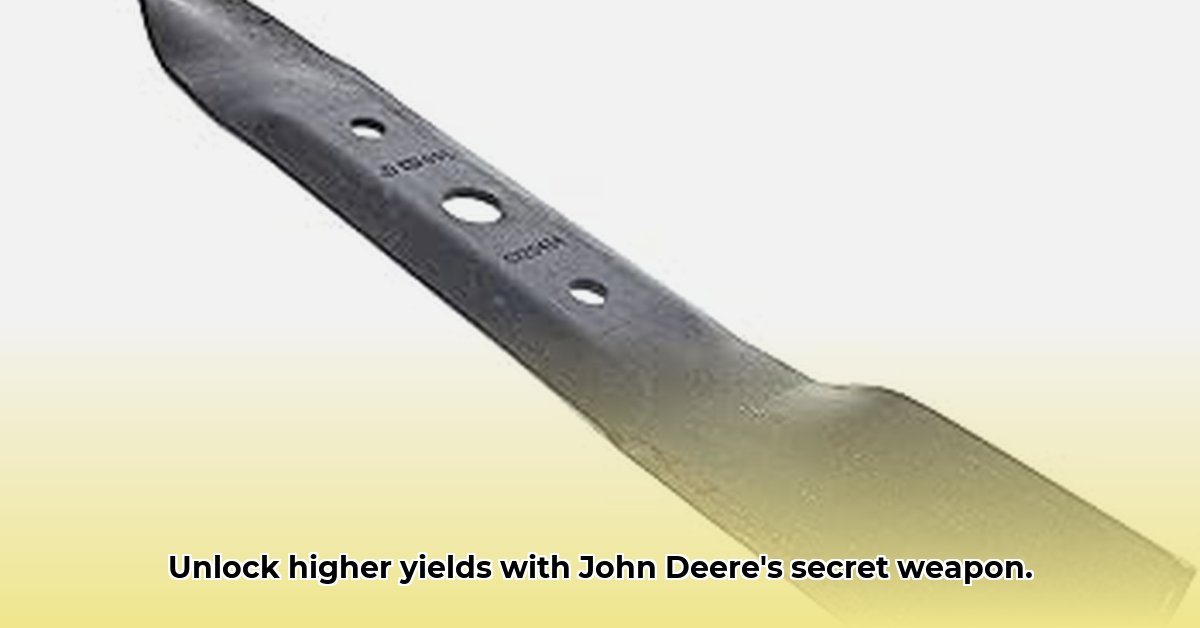
This comprehensive guide explores the effective use of John Deere garden tractor blades within the framework of sustainable agriculture, focusing on maximizing yields while minimizing environmental impact. We'll cover blade selection, optimal usage techniques, maintenance, and the integration of sustainable practices to achieve a higher return on investment. For more information on John Deere equipment, check out this helpful resource.
Choosing the Right John Deere Garden Tractor Blade: Optimizing for Your Needs
Selecting the appropriate blade is paramount for efficient and sustainable farming. Different blades are designed for specific tasks and soil types; choosing incorrectly can lead to soil damage, inefficient fuel use, and reduced yields. Consider your primary farming tasks and soil conditions when making your selection (see table below).
| Task | Recommended John Deere Garden Tractor Blade Type | Soil Considerations | Key Considerations |
|---|---|---|---|
| Tilling | Heavy-duty tilling blade | Clay, rocky soils; requires more power | Depth of tilling; blade sharpness; soil structure |
| Seedbed Prep | Medium-duty grading blade | Loam, sandy soils; less power needed | Smoothness; evenness; minimal soil disturbance |
| Grading | Grading blade | Varies depending on the task; adjust blade angle accordingly | Slope of land; desired final grade level; drainage |
| Mowing | Mowing blade (often separate from tilling/grading) | Choose blade height based on grass type and desired length | Grass type; blade sharpness; desired grass height |
Isn't it crucial to match the blade to your soil type for optimal efficiency? Using the wrong blade can lead to wasted time and fuel. For instance, a light-duty blade on heavy clay soil will be inefficient and could even damage the blade.
Mastering Your John Deere Garden Tractor Blade: Techniques for Maximum Efficiency and Yield
Proper usage is as critical as blade selection. These techniques will enhance your efficiency and minimize environmental impact:
Pre-operation Inspection: Always inspect the blade for damage, loose bolts, or excessive wear before each use. Sharpening dull blades significantly improves performance and reduces fuel consumption. This is essential for achieving a high return on investment.
Depth Control: Adjust the depth according to the task. Shallow depth is ideal for seedbed preparation, minimizing soil compaction. Deeper tillage might be needed for breaking up compacted soil but should be done judiciously to avoid damaging soil structure.
Overlapping Passes: Slightly overlap each pass to ensure even coverage and prevent missed areas, resulting in more uniform results across the field. This enhances the overall efficiency of your operation.
Consistent Speed: Maintain a consistent speed for optimal performance. Experiment to find the optimal speed for your specific conditions and blade type. This will help minimize wasted fuel.
Safety First: Always wear appropriate safety gear, including eye protection and sturdy footwear. Farm safety is paramount; neglecting safety measures can lead to serious injury.
Did you know that consistent operation significantly reduces fuel consumption and increases longevity? Maintaining a steady pace and the correct depth helps you avoid wasted effort and resources.
Sustainable Farming Practices with Your John Deere Garden Tractor Blade: Environmental Stewardship and Profitability
Sustainable farming practices focus on long-term viability and minimizing environmental impact. The John Deere garden tractor blade plays a vital role in this:
Reduced Fuel Consumption: Efficient blade usage minimizes fuel waste. This directly translates to lower operating costs and a reduced carbon footprint.
Minimized Soil Compaction: Proper techniques help prevent soil compaction, which improves water infiltration, root growth, and overall soil health; reducing the need for chemical fertilizers.
Optimized Land Use: Precise tilling and grading optimize planting conditions, maximizing yields from your available land. This leads to higher overall productivity.
"Integrating sustainable practices yields not only environmental benefits but also significant long-term economic advantages," says Dr. Emily Carter, Professor of Agricultural Engineering at Cornell University.
Maintenance and Repair: Extending the Lifespan of Your Blade
Regular maintenance is crucial for extending the life of your blade, reducing replacement costs, and ensuring consistent performance.
Regular Inspection: Inspect the blade frequently for signs of wear, damage, or excessive corrosion.
Sharpening and Replacement: Sharpen or replace the blade as needed. A sharp blade reduces the effort needed to till, grade, or mow, thereby improving fuel efficiency and longevity.
Cleaning and Lubrication: Clean and lubricate moving parts according to the manufacturer's recommendations. This prevents rust and ensures smooth operation.
Does proactive maintenance translate to cost savings in the long run? Absolutely. Regular maintenance substantially decreases the likelihood of costly repairs or premature blade replacement.
Conclusion: Sustainable Yield Enhancement Through Efficient Blade Usage
Mastering the use of your John Deere garden tractor blade is key to achieving sustainable farming practices. By following these guidelines and prioritizing efficient techniques and regular maintenance, you can significantly enhance your yields while minimizing environmental impact and maximizing your return on investment. Remember, sustainable farming is an investment in the future of your farm and the planet.